How to Replace Smoke Detector Batteries Safely
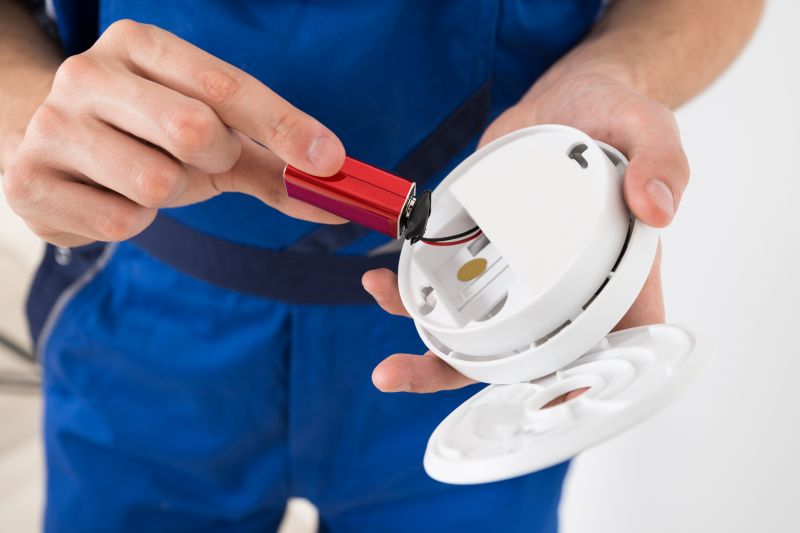
Regularly changing batteries in smoke detectors is essential for maintaining safety. Proper maintenance can prevent false alarms and ensure detectors function correctly during emergencies.
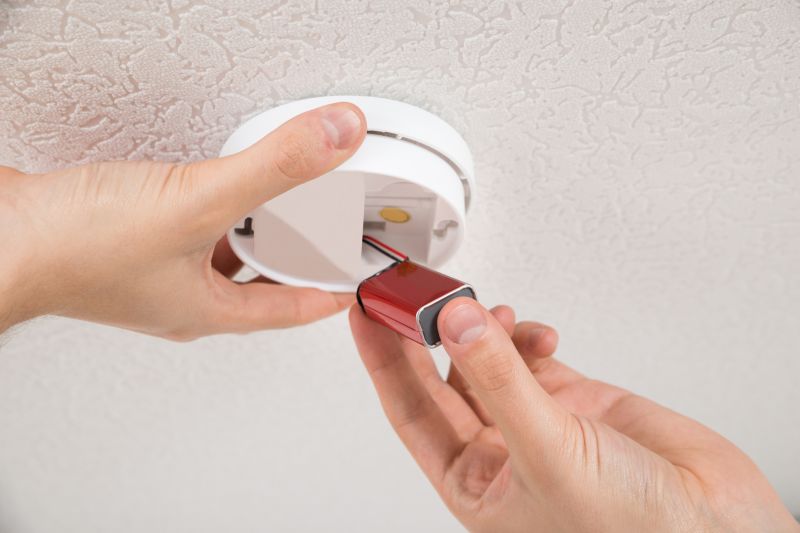
Typical tools include a screwdriver, replacement batteries, and a ladder if detectors are mounted on ceilings. Using the right tools helps complete the process efficiently and safely.
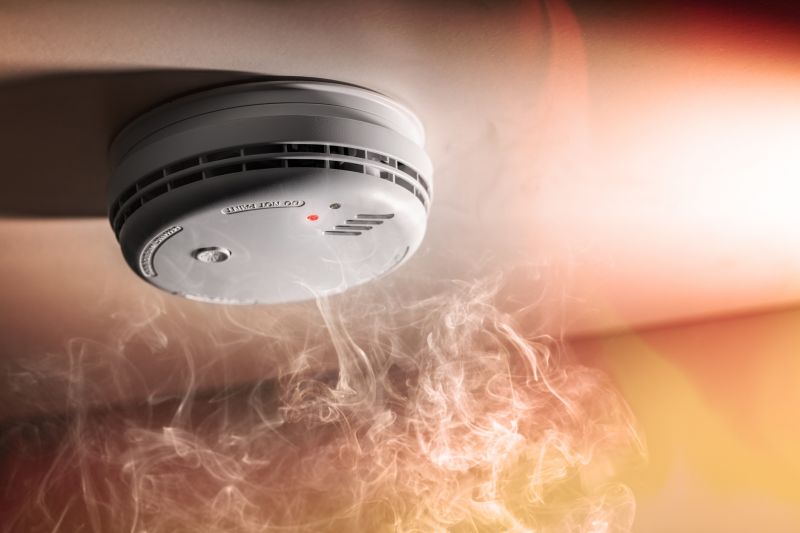
Indicators include chirping sounds, dim LED indicators, or complete silence. Prompt battery replacement can resolve most of these issues.
Smoke detector battery changes are a critical aspect of home safety maintenance. Batteries should be replaced at least once a year, or immediately if the detector begins to chirp or malfunction. Regular replacement ensures the detector's sensors are operational and responsive in case of smoke or fire detection.
Statistics show that properly maintained smoke detectors significantly reduce fire-related injuries and fatalities. Many fires go undetected during the night or when occupants are away, making reliable detectors with fresh batteries vital for early warning and safety.
A professional can typically complete smoke detector battery replacements in about 10 to 15 minutes per device, ensuring thorough inspection and proper installation.
The process involves removing the detector from its mounting, opening the battery compartment, replacing the old batteries with fresh ones, testing the device, and reinstalling it securely. This ensures optimal operation and safety compliance.
Engaging a professional ensures that all detectors are correctly installed and functioning. It reduces the risk of overlooked issues and guarantees that safety standards are met, providing peace of mind.
Regular inspections and timely battery replacements are vital for maintaining a safe environment. Professionals can identify potential problems early, preventing costly repairs or safety hazards.
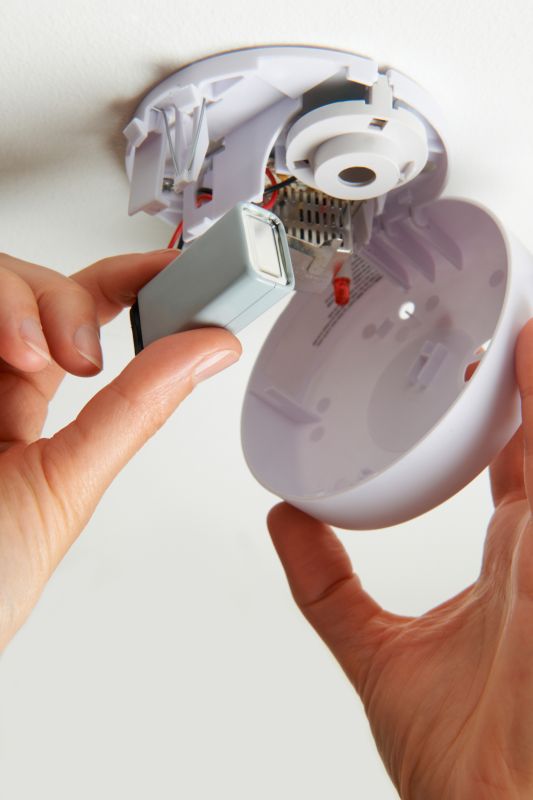
Photos of properly installed smoke detectors with fresh batteries demonstrate adherence to safety standards and effective maintenance practices.
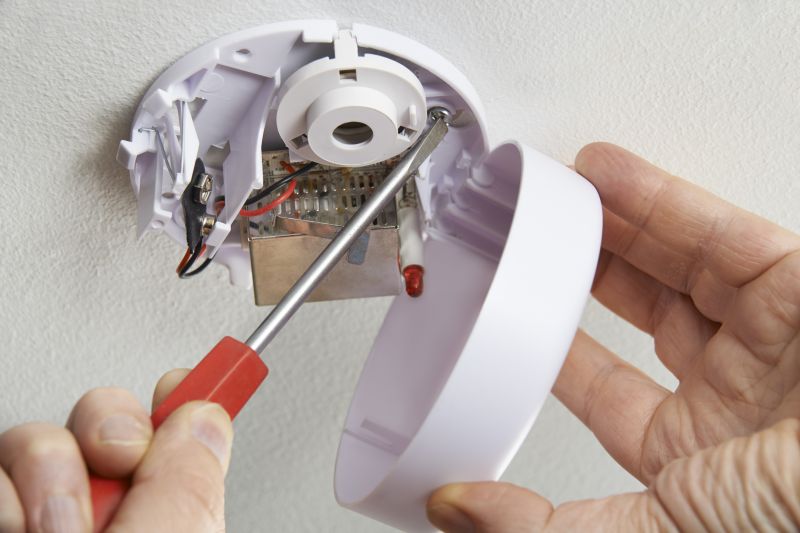
Images showing technicians replacing batteries highlight the importance of expert care to ensure detectors are fully operational.
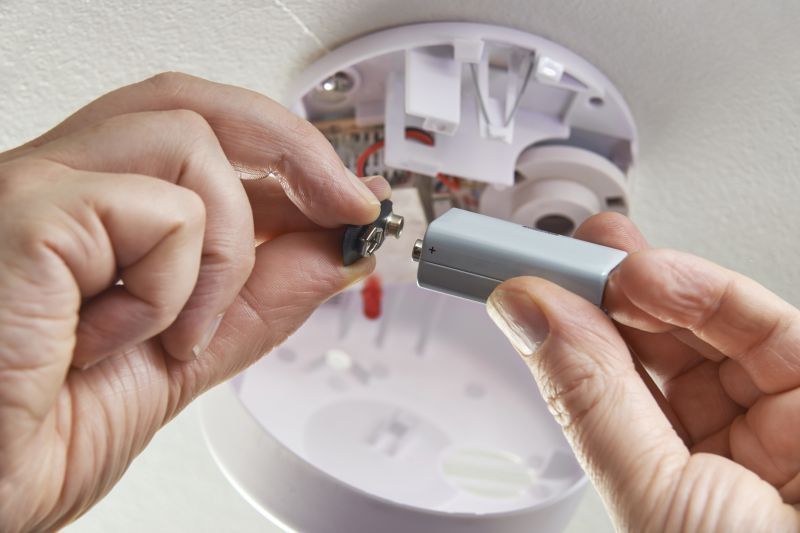
Visuals of testing procedures confirm that detectors respond correctly after battery changes, maintaining safety integrity.
Ensuring smoke detectors are always in working order is essential for early fire detection. Proper maintenance, including timely battery changes, can save lives by providing reliable alerts during emergencies.
| Aspect | Details |
|---|---|
| Recommended Battery Type | Typically 9V or AA batteries, depending on the detector model. |
| Frequency of Replacement | At least once a year, or immediately when chirping occurs. |
| Signs of Battery Failure | Chirping, dim LED indicators, or silence during tests. |
| Professional Service Time | Approximately 10-15 minutes per device. |
| Safety Benefits | Early detection of smoke or fire, reducing injury and property damage. |
| Common Tools Needed | Screwdriver, replacement batteries, ladder if necessary. |
| Inspection Frequency | Biannual or annually, depending on manufacturer recommendations. |
| Cost of Professional Service | Varies based on location and number of detectors, but generally affordable. |