Seamless Backup Generator Integration
Installing a backup generator provides reliable power during outages, ensuring continuous operation of essential household systems and appliances. This service is vital for maintaining comfort, safety, and security in residential settings, especially in areas prone to frequent power interruptions.
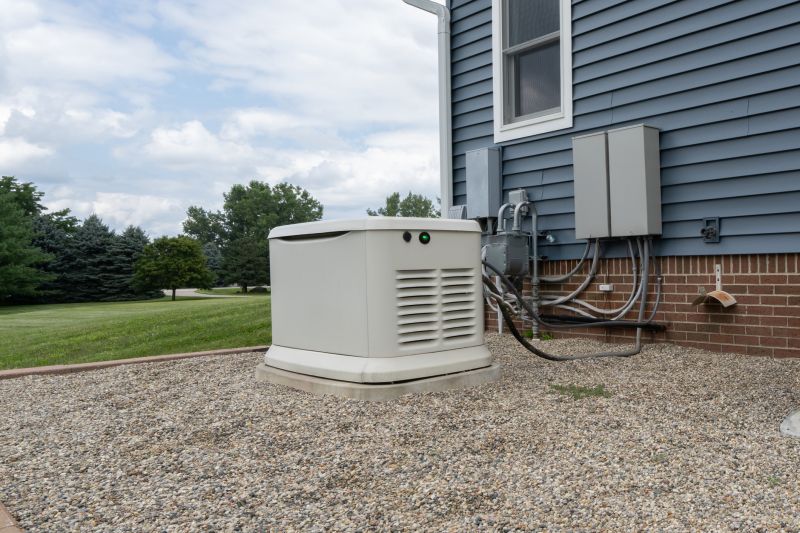
A modern residential backup generator installed outdoors, providing reliable power supply for a home.
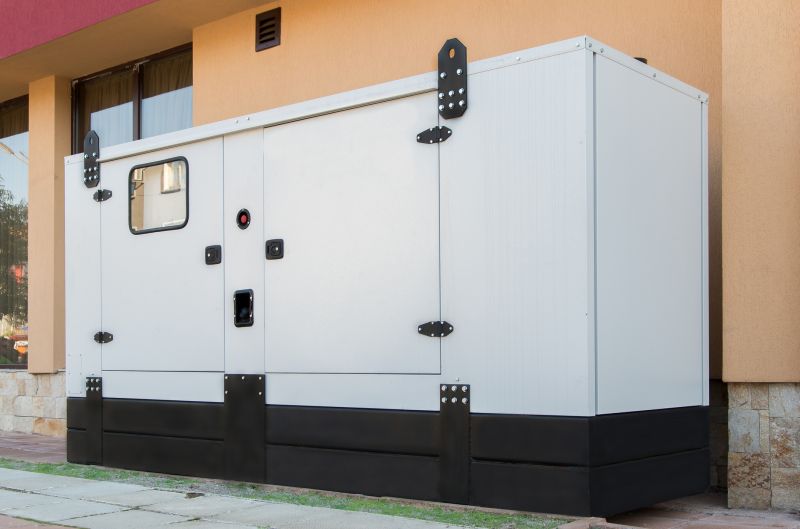
Close-up of a backup generator unit installed in a residential backyard.
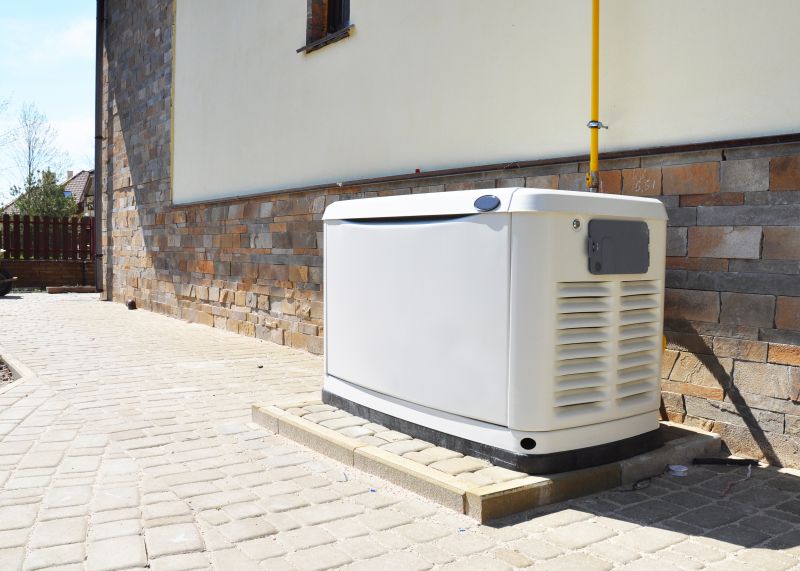
Generator setup next to a house, ensuring continuous power during outages.
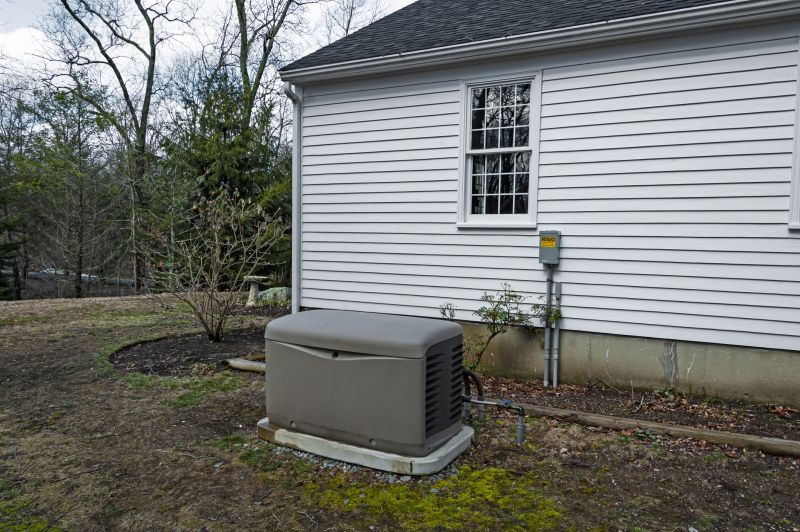
Residential property with a backup generator installed on a concrete pad.
The process of installing a backup generator typically involves an initial assessment of the property’s power needs, site preparation, and proper placement of the unit. Electrical wiring and connection to the home’s existing system are then completed, followed by testing to ensure optimal operation. The entire installation can usually be completed within a day, depending on the complexity of the setup.
Backup generators provide peace of mind by ensuring essential systems remain operational during power outages.
Having a generator reduces risks associated with power loss, such as food spoilage and compromised security.
Generators enable households to maintain control over their power supply, regardless of external grid issues.
The benefits of installing a backup generator extend beyond immediate power restoration. It ensures the safety of household members, protects sensitive electronics, and provides convenience during severe weather events or grid failures. Many homeowners find that the investment in a backup power system offers significant peace of mind and operational security.
| Aspect | Details |
|---|---|
| Installation Time | Typically completed within a day, depending on site conditions. |
| Cost Factors | Includes generator size, site preparation, and electrical work. |
| Maintenance Needs | Regular inspections and testing are recommended for optimal performance. |
| Power Capacity | Varies based on household energy requirements, ranging from 8 kW to 20 kW or more. |
| Fuel Options | Commonly powered by natural gas or propane, offering continuous operation. |
| Permitting Process | Requires local permits and inspections to ensure compliance. |
| Resilience Benefits | Provides reliable power during outages, minimizing disruption. |
| Impact on Property | Installation may require minor modifications to outdoor space. |
Having a backup generator installed offers a proactive approach to managing power reliability. It ensures that homes remain functional and safe regardless of external power grid conditions. The installation process is designed to be efficient, with most projects completed swiftly to minimize inconvenience.
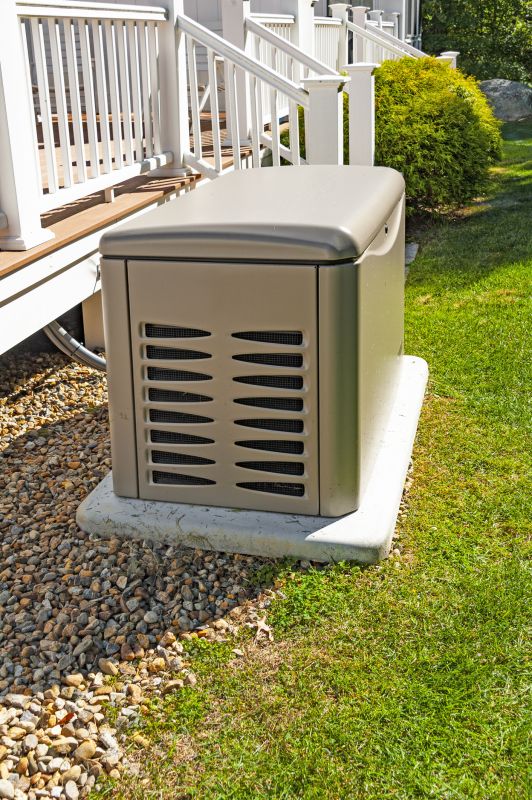
A backup generator installed beside a home, ready to provide power during outages.
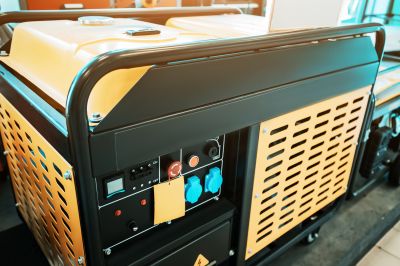
Close-up of a residential generator’s control panel, indicating operational status.
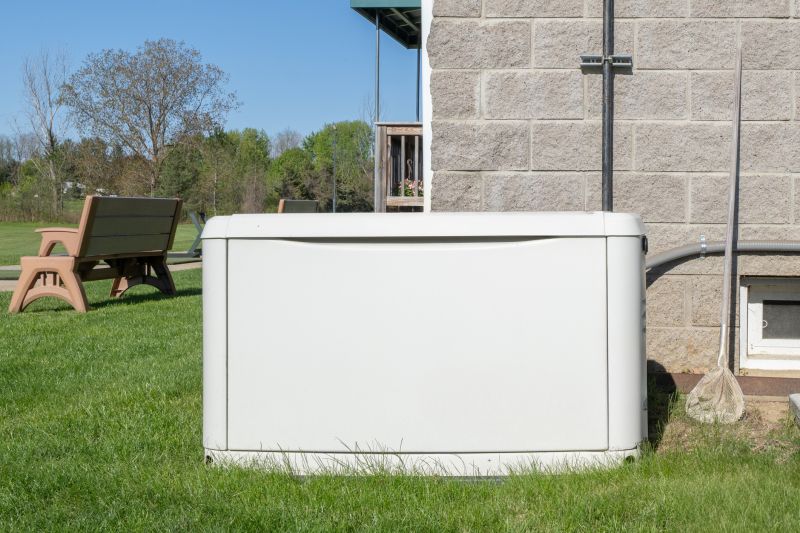
A residential backup generator connected to the home’s electrical system.
For homeowners considering backup power solutions, it is advisable to consult with experienced professionals to determine the appropriate generator size and type for specific household needs. Proper installation ensures safety, efficiency, and long-term reliability, making it a valuable addition to any residence.
Interested in securing a dependable backup power system? Filling out the quick contact form will allow for a prompt quote tailored to the specific requirements of the property, facilitating an efficient and professional installation process.